
Revisiting Ideas that died too soon
On this page:
- The Segway Scooter
- Lessons from the rise and fall of Webvan
- Juicero: When Innovation Becomes a Punchline
The Segway Scooter
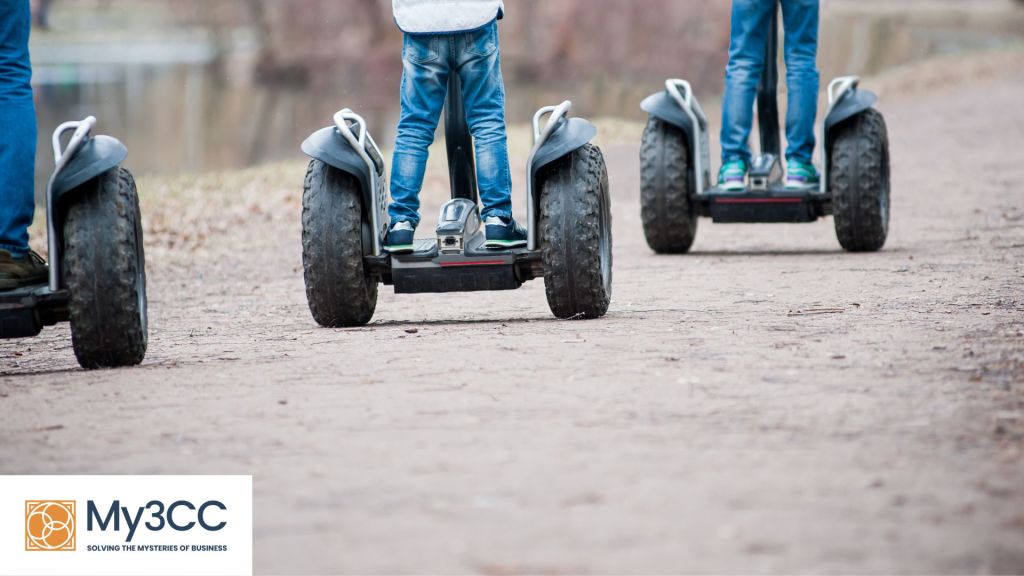
Could today’s tech and market trends breathe new life into a once-hyped mobility flop?
When the Segway was unveiled in 2001, it was supposed to change everything. Steve Jobs reportedly said it would be “as big a deal as the PC.” Jeff Bezos imagined it reshaping cities. But instead of revolutionising transport, the Segway became a punchline—a bulky curiosity mostly confined to mall cops and tourist tours.
But was it truly a bad idea—or just launched at the wrong time?
The Original Pitch
The Segway PT (Personal Transporter) was designed as a two-wheeled, self-balancing electric vehicle for short-distance travel. It was eco-friendly, quiet, and futuristic—pitched as a solution to urban congestion and pollution.
At its core, Segway was trying to solve real problems. So what went wrong?
Why It Failed
- Price Point: At around $5,000, it was out of reach for most consumers, especially for a product that didn’t replace a car or offer much more than walking.
- Form Factor: It was bulky, hard to store, and looked… odd. There was no easy way to carry it into a lift or on public transport.
- Infrastructure Misfit: Cities weren’t ready. Was it a pedestrian device? A vehicle? No one really knew, and regulation lagged.
- Cultural Readiness: In 2001, “micro-mobility” wasn’t a term. Urban cycling was still a fringe activity, and people weren’t yet accustomed to seeing individual electric transport as normal.
The Segway wasn’t bad tech—it was a premature product in a world that hadn’t caught up.
What’s Changed
Fast forward to today, and the landscape is transformed:
- Battery tech has improved dramatically, bringing costs and weight down.
- E-scooters and e-bikes are mainstream, thanks to companies like Lime, Bird, and Xiaomi.
- Consumers are used to micro-mobility, especially in urban environments.
- Cities are rethinking infrastructure for short-distance personal transport.
- Design language has evolved. Sleek, minimal hardware is in—clunky machines are out.
Segway’s DNA lives on, ironically, in the modern e-scooter boom, it didn’t survive to lead.
Could It Work Today?
Possibly, but not in its original form. The idea of a high-tech short-distance transporter is viable (as Lime, Ninebot, and others have shown). But Segway needed:
- A lower price,
- A slimmer, less “mall cop” aesthetic,
- Clearer regulatory fit,
- And better timing.
In fact, Segway’s own successor company (Ninebot, now Chinese-owned) is a major player in the current scooter market.
Entrepreneur Takeaways
- Being early is the same as being wrong—until the market catches up.
- Innovation needs infrastructure. Without the ecosystem, even good ideas die.
- Design matters. Form factor can make or break product adoption.
Don’t just solve a problem—match your solution to the moment.
Lessons from the rise and fall of Webvan

When Moving Fast Breaks Things You Can’t Fix
In the late 1990s, Webvan was set to revolutionise grocery shopping. Backed by millions in venture capital and driven by the promise of the internet boom, it promised same-day grocery delivery—something that, at the time, sounded futuristic.
They had the vision.
They had the funding.
They had the ambition.
So how did Webvan go from being valued at $4.8 billion to bankrupt in just three years?
The answer lies in a cautionary tale every entrepreneur should know: scaling before you’re ready.
The Allure of Growth
Webvan launched in 1999 with an aggressive expansion plan: build a network of high-tech warehouses and offer grocery delivery in 26 US cities… within three years.
The idea caught investors’ imaginations. This wasn’t just a small, scrappy startup—they were building infrastructure like a global giant from day one.
They poured over $1 billion into technology, warehouses, and delivery fleets, betting on market dominance before they had proven consistent demand.
The Cracks in the Plan
Here’s where things went wrong:
- Unproven Demand: People liked the idea of grocery delivery, but they weren’t yet ready to abandon traditional supermarkets.
- Massive Overhead: Webvan invested heavily in custom-built warehouses, trucks, and software before they’d perfected their model.
- Too Many Markets, Too Soon: Instead of refining operations in one or two cities, they spread resources thin across the country.
- Low Margins, High Complexity: Grocery retail has notoriously tight margins; adding delivery costs made profitability even harder.
They weren’t just running fast—they were running on a treadmill that got faster every month.
The Collapse
By 2001, the dot-com bubble burst, investor confidence evaporated, and cash burned faster than they could raise it. Webvan shut down, leaving thousands unemployed and investors nursing huge losses.
Ironically, the model could have worked—Amazon Fresh and Instacart later proved grocery delivery could be profitable with the right approach. But timing, focus, and financial discipline made the difference.
Lessons for Today’s Entrepreneurs
- Validate Before You Scale – Nail the model in one market before you roll it out nationwide or globally.
- Match Growth with Demand – Don’t build capacity for customers you hope to have; grow in line with real demand.
- Cash Flow Is King – Profitability might take time, but watch your burn rate like a hawk.
- Complexity Multiplies Risks – Every new location, product line, or system adds operational risk.
- Timing Matters – Sometimes the market just isn’t ready. Better to be slightly late than disastrously early.
Why This Still Matters in 2025
Many startups today are making the same mistakes Webvan made—especially with cheap capital from the past decade drying up. The temptation to blitzscale is strong, but sustainable growth still wins in the long run.
As Jeff Bezos once said:
“Your margin is my opportunity.”
In Webvan’s case, the opportunity was there—but so was the risk, and they underestimated it.
Your Turn
Do you think Webvan was doomed from the start, or was it simply too early for its time? I’d love to hear your thoughts in the comments.
Juicero: When Innovation Becomes a Punchline

The $120M Juicer Nobody Needed
In 2013, Juicero burst onto the scene with a bold promise: to revolutionise healthy living with a sleek, Wi-Fi–enabled juicing system.
Backed by Silicon Valley heavyweights, the company raised over $120 million and sold its juicers for $400 each. The vision? To make cold-pressed juice at home as easy as pushing a button.
But within just two years, Juicero went from tech darling to infamous flop.
Why? Because sometimes the problem you’re solving doesn’t exist.
🚀 The Allure of High-Tech Health
The pitch was seductive:
- Pre-packaged fruit and vegetable packs
- Insert into a sleek Juicero machine
- Tap a button, and voilà — fresh, cold-pressed juice
No mess. No prep. No excuses not to be healthy.
Investors loved the “Keurig for juice” story. Customers were intrigued. The hype machine rolled.
The Fatal Flaws
Then reality hit.
1️⃣ The Packs Could Be Squeezed by Hand
Reporters discovered you didn’t need the $400 machine at all. Just squeeze the pack, and juice came out — sometimes faster.
2️⃣ A Price Point Misfire
$400 for the machine, plus $5–$7 per juice pack, felt more like Silicon Valley indulgence than everyday convenience.
3️⃣ Solving a Non-Problem
Juicero solved the “problem” of squeezing a juice pouch. Customers wanted affordable health, not overpriced tech.
4️⃣ Over-Engineering
A Wi-Fi–connected juicer? For many, it sounded like parody.
By 2017, Juicero was gone. Investors lost millions. Customers mocked the product. “Juicero” became shorthand for startup excess.
Enter i.Jooz: The Street-Side Success
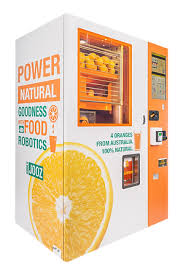
Now contrast Juicero with i.Jooz, a thriving business in Singapore.
I-Jooz vending machines are dotted across the city. For just a couple of Singapore dollars, you can watch fresh oranges drop into a machine, get cut, squeezed, and poured into a cup in under a minute. No gimmicks. No overthinking. Just fresh juice, right where you are.
Why did i.Jooz succeed where Juicero failed?
Visibility vs. Exclusivity
- i.Jooz: On the street, visible to everyone. You see the machine, watch the oranges being juiced, and walk away with a drink.
- Juicero: Hidden in kitchens, requiring a big upfront investment before you could even try it.
🔑 Lesson: Build trust and demand in public spaces before asking customers to commit.
Freshness vs. Packs
- i.Jooz: Uses whole oranges you can see. The process builds confidence and feels authentic.
- Juicero: Relied on sealed juice packs. Customers saw them as manufactured and questioned their value.
🔑 Lesson: Transparency builds trust. Customers believe what they can see.
Price Point & Accessibility
- i.Jooz: $2–$3 per cup. Affordable, impulse-driven, and repeatable.
- Juicero: $400 for the machine, plus premium packs. More luxury gadget than daily habit.
🔑 Lesson: Start with accessibility. Everyday products need everyday prices.
Solving the Right Problem
- i.Jooz: Provides quick, affordable, healthy juice on the go. Perfect for busy commuters.
- Juicero: Solved the “problem” of squeezing a pouch — which no one actually needed solved.
🔑 Lesson: Innovation should target real pain points: time, cost, trust, or convenience.
Final Thought
Juicero proved that even brilliant engineering can fail if it misses the customer’s reality.
i.Jooz shows the opposite: a simple machine, built around actual needs, can thrive without $120 million in venture capital.
Sometimes, success isn’t about adding more tech. It’s about stripping things back until the value is clear, visible, and affordable.
 Why Start-Ups fail